Introduction
What made South Korean foreign policy different in the early 2020s? The balance between conservatives and progressives was little changed; a leader from one party gave way to […]
November - December 2025
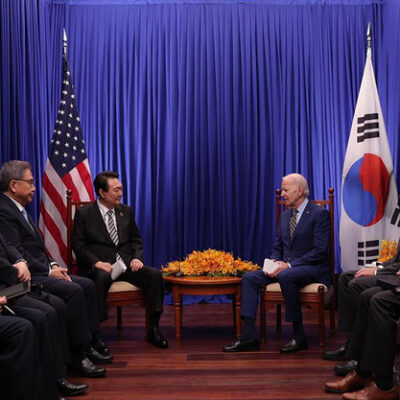
What made South Korean foreign policy different in the early 2020s? The balance between conservatives and progressives was little changed; a leader from one party gave way to […]
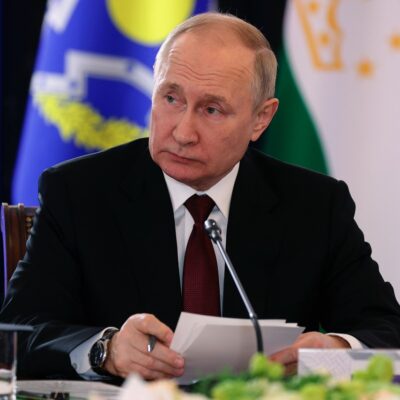
Toward the end of 2022, as the Ukraine war was settling into an expected winter slowdown, the conundrum into which Russia had put itself had become shockingly obvious […]
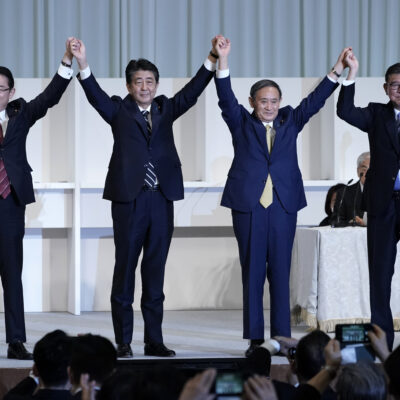
Overview of the Years 2017-2019 and View of Europe The two articles in this Special Forum cover Abe’s foreign policy focused on Europe—the foundation for a substantial success […]
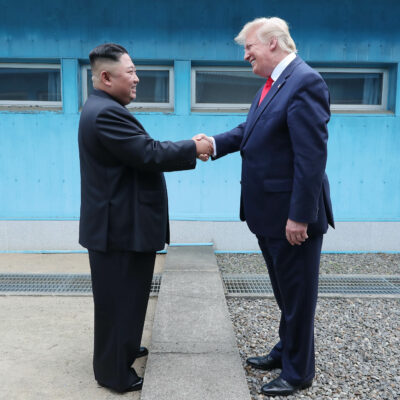
The four years from 2016 through 2019 were the most eventful in the post-democratization and post-Cold War period of South Korean history. Three goals had defined the entirety […]
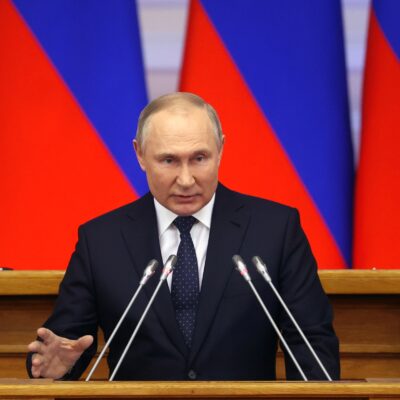
A decade after Vladimir Putin declared that Russia would “Turn to the East,” he invaded Ukraine in the largest land war in the West since World War II. […]
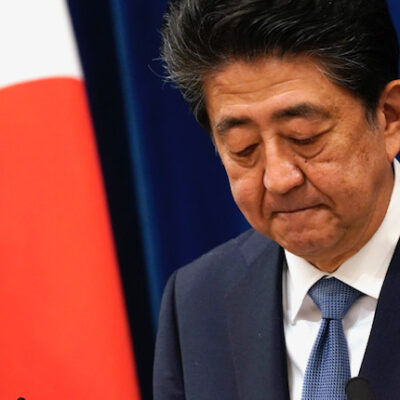
This Special Forum approaches Japanese foreign policy from three angles. First, it tracks the momentous shift in thinking that occurred during the first four years of Abe Shinzo’s […]
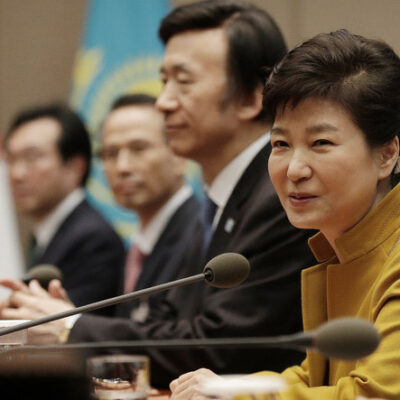
The period 2013-2015 in South Korean foreign policy was transformative for three reasons: (1) it exposed the fallacies in Seoul’s assumptions about the future of Northeast Asia more […]
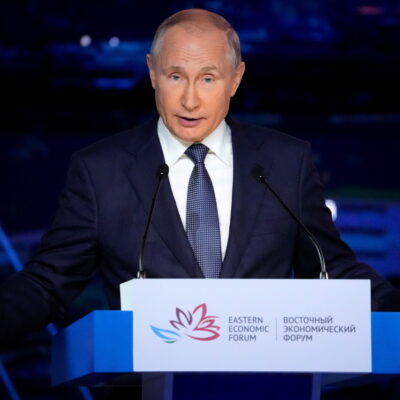
The bi-monthly country reports in The Asan Forum provide a continuous record of how changes in the Indo-Pacific region were interpreted in Russia and three other states. Drawing […]
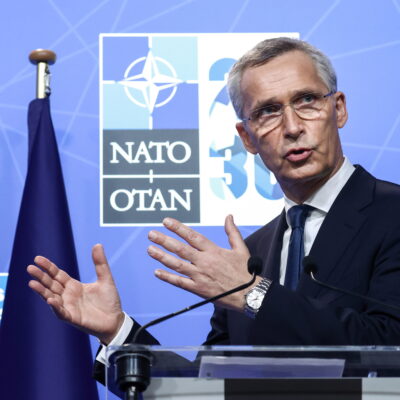
Prevailing trends in world politics, especially the return of great-power rivalry, create an urgent need for new strategic thinking in Europe. The effort to devise European strategic thinking […]
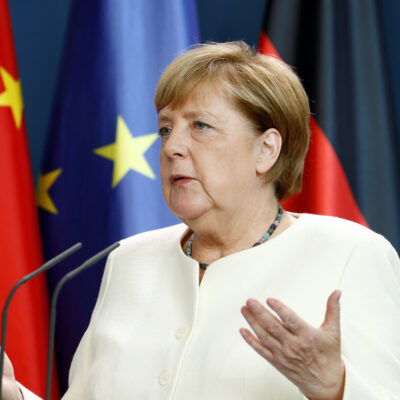
European governments, NATO, the EU, and the G7 all identify China and Russia as threats; however, an analysis of threat assessments reveals a mix of unity and diversity. […]